
Revamping Larne's Attack: Tactical Adjustments for Greater Impact
As the Inver Reds continue to push through the Northern Ireland Premiership, it’s essential to analyze their recent form critically. While Larne has displayed moments of brilliance, a closer inspection of their tactical setup indicates opportunities for improvement, particularly in the attacking third. With a few strategic tweaks, Larne can harness the potential of their squad more effectively and bolster their chances of success.
Current Tactical Landscape
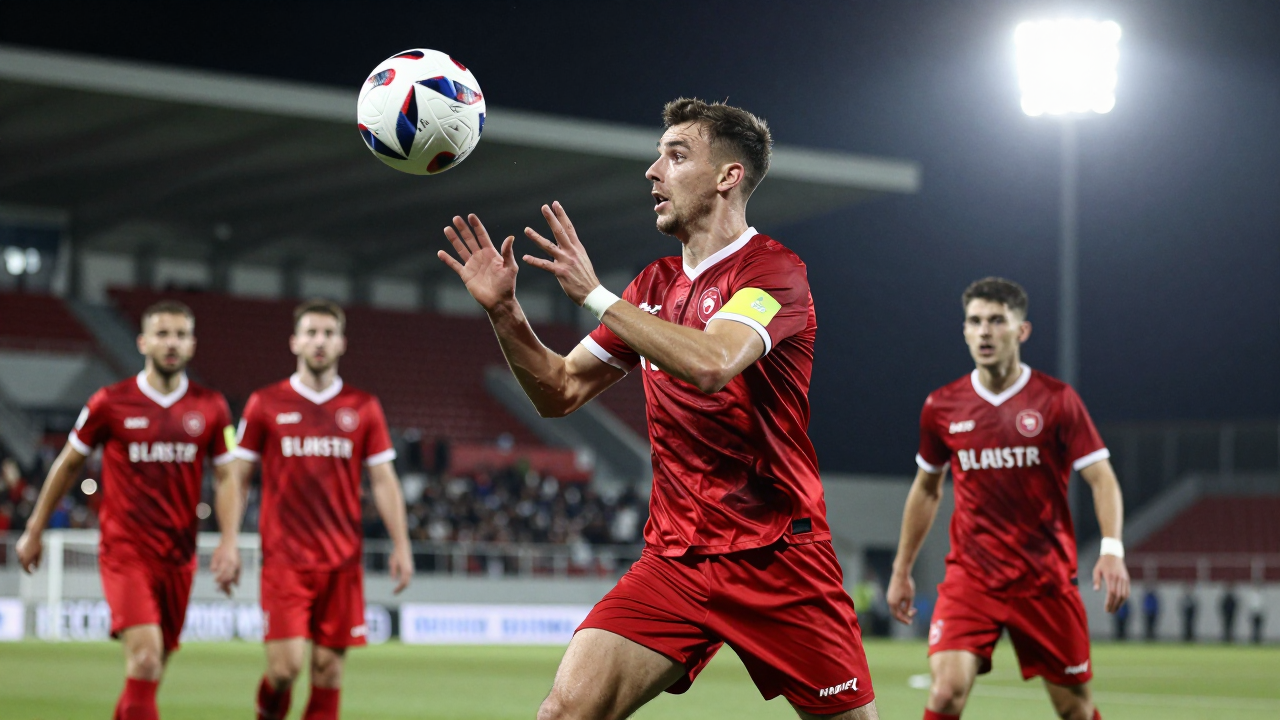
Larne's current setup primarily relies on a 4-2-3-1 formation, which has served them well in various fixtures. However, the effectiveness of this formation has seen fluctuations, particularly in high-pressure situations. While the defensive duo has been solid, and the midfield provides good coverage, the attacking unit often lacks fluidity and creativity. The reliance on individual brilliance, such as that displayed by R. Ferguson, can only take a team so far; a more cohesive attacking strategy is necessary.
Emphasizing Width and Overlapping Runs
One area that warrants attention is the use of width in attack. The current shape often sees the wingers pinned too far back, reducing the opportunities for overlapping runs from the full-backs. Encouraging the wide players to stay wider and higher up the pitch can stretch opposition defenses, creating space for central players to exploit.
Utilizing the likes of M. Lusty further up the pitch, while instructing full-backs to make overlapping runs, could create confusion in the opposition's defensive line and open up more avenues for goal-scoring opportunities. This tactical adjustment could also help in transitioning quickly from defense to attack, enabling Larne to capitalize on counter-attacking scenarios.
Midfield Dynamics: A Need for Connection
Another tactical tweak could be enhancing the connection between the midfield and the attack. Currently, the midfield tends to operate in isolation, often failing to link up effectively with the forward players. Introducing a more dynamic midfield presence, perhaps through a third central midfielder or an advanced playmaker role, could facilitate better ball progression and create a more fluid transition into the final third.
This adjustment would not only help in breaking down opposition defenses but also provide more options for the forwards to receive the ball in dangerous areas. A player like Cormac Austin could thrive in a more advanced role, connecting play and weaving through defenses with his vision and technical ability.
Pressing Strategies: Winning the Ball Higher
Moreover, the pressing strategy employed by Larne could be revised to win the ball back higher up the pitch. Currently, the team tends to sit back, allowing opponents to build from the back, which can lead to unnecessary pressure on the defensive line. By adopting a more aggressive pressing approach, Larne could disrupt opponents' rhythm and regain possession in advanced areas, leading to quick scoring opportunities.
Implementing a coordinated pressing strategy, where forwards and midfielders work in unison to press opponents, could significantly alter the pace of play in Larne's favor. This would not only increase the chances of scoring but also rejuvenate the team's energy and motivation.
Conclusion: The Path Forward
In summary, while Larne has shown promise in their recent performances, tactical adjustments are essential to elevate their game further. Emphasizing width, enhancing midfield connections, and refining pressing strategies can significantly impact the team’s attacking efficiency. As the Inver Reds look to solidify their position in the Northern Ireland Premiership, these tweaks could be the key to unlocking their full potential and competing at the highest level.